Calgary-based registered psychologist for teens, parents, and adults
Empowered healing that integrates all parts of you, to build a life worth living.
My Approach
I do not believe that therapy is ‘one size fits all.’ For that reason, it is crucial to me that, in the initial stages of the therapeutic process, I get a whole picture of my clients and understand how they came to be the person they are today. I do this by gathering background about genetics and biology, early experiences and attachment patterns, attitudes about emotions, instances of trauma, interpersonal functioning, and cognitive processes. Using this information, together we create a individualized ‘map’ that will help formulate therapy goals and a treatment plan.
Areas of Focus
-
I began my career working with high-risk youth in residential treatment settings, where I developed a great interest in the role that biology, attachment, and trauma have on the developing brain. Working with adolescents is something that I have always been passionate about, and at a time when there is more social influence on a young person’s development than ever, I believe that there is an extraordinary need for this support.
-
I believe that parents and caregivers are the most important people in the world. There is a great deal of pressure to do things the “right” way, and an abundance of information (sometimes conflicting) about what exactly that means. The truth is, every child, parent, and parent-child unit is unique and requires a tailored approach, based on years of research and experience.
You might be feeling rejected by your child and disempowered when it comes to the influence of social media and technology use. This may leave you unsure about how to proceed in a manner that means your child has structure and boundaries, and ensures that you are preserving and improving your connection.
I use my knowledge of attachment, emotions, and neurobiology to help foster a deeper understanding of your child’s experience, which informs adaptive parenting strategies. I offer individual therapy for children and teens, and psycho-education and coaching for parents and caregivers, which includes between session support, and joint sessions with children and their caregivers to encourage effective communication.
-
Just as every parent-child relationship is unique, I believe that every sibling relationship is, too. Temperament, birth order, and family dynamics can all contribute to a child’s experience of their sibling, and it is not uncommon for conflict, boundary disturbances, and competition to arise. I work with siblings individually, together, and along with their parents to help each child make sense of their own experience in the family and develop strategies to ensure healthy boundaries between family members are respected and maintained
-
Whether it’s a specific event (or events) that you can put your finger on, or something that you might assume is trivial, but somehow keeps showing up in your relationships or memories, the effects of trauma are widespread and variable. Trauma exists in many forms and may show up differently from person to person. Regardless of what kind of trauma you have been carrying, I have the strategies and experience to help you navigate your way through it, and integrate it, adaptively, into your story.
-
I believe that as human beings we are motivated by a need to create meaning through our existence, in an attempt to understand what it means to “be.” Often we are shown and told what it means to have value, based on ideals that may not reflect what is important at the core of our being. Attempts to align with external pressures and expectations can result in feeling as though we are not living authentically, and thus, we may not ever feel truly content.
I believe that we are capable of making changes and adjustments to ensure we are existing in accordance with a life that is worth living. Over time, we may inadvertently develop cognitive, behavioural, and relational patterns that are incongruent with our values and goals.
-
I believe that we are motivated by a need to create meaning from our existence. Meaning is extracted from life events and experiences, and is applied to a self-narrative, or ‘life story.’ In this way, we construct a version of our own personal reality, and as we attempt to construct a meaningful personal reality, a need for order arises, and patterns are developed to organize meaningful experience in an understandable and familiar way. The only issue with this is that, at times, these patterns are not helpful, and we require guidance to adjust them so that we are moving closer, not further, from our life goals.
-
As much as we would like life to be easy and predictable, the reality is, adversity and hardship is inevitable. Adjusting to both “typical”, and unexpected changes throughout the course of our lives can leave us with doubts and questions about our identity, purpose, and future. Sometimes change requires us to be flexible, vulnerable, and can involve big emotions like guilt, grief, and shame. Navigating this can be difficult, and having therapeutic support can reduce the amount of suffering you experience as you do.
-
No brain is identical, and these variations are part of what make us uniquely ourselves. Some of these variations may present challenges with organization, time management, attention, focus, motivation, routine, and sensory experience. Having a better understanding about how neurodiversity impacts our functioning makes it possible to develop interventions, strategies, and skills to ensure that these challenges do not interfere with our ability to function effectively across all domains of life.
Specializing in:
-
Parent/Caregiver coaching
Parent-child Relationships and complex family dynamics
Parenting psychoeducation
-
Developmental (relational and attachment) trauma
Physical, emotional, and sexual trauma
-
OCD and Obsessive Patterns
Social, performance, medical, and death Anxiety
Eating disorders
-
Major Depressive Disorder (MDD)
Self-Harm
Mood Dysregulation
-
Grief and loss
Romantic/Intimate relationship loss
Friendship dissolution
Career changes
Performance enhancement
Aging
Career changes and occupational struggles
Chronic Pain and illness
-
Self-esteem and self-worth concerns
Identity struggles
Issues facing LGBTQIA2S+ individuals
-
ADHD
Persistent nervous system dysregulation
Somatic sensitivity
Interpersonal challenges
Approach & Modalities:
My work as a therapist is rooted in a number of theoretical modalities, including:
Cognitive Behavioural Therapy (CBT)
Cognitive Processing Therapy (CPT)
Emotion-Focused Therapy (EFT)
Dialectical Behaviour Therapy (DBT)
Eye Movement Desensitization and Reprocessing (EMDR)
Psychodynamic Psychotherapy
Existential Therapy
Narrative Therapy
Meet Katherine
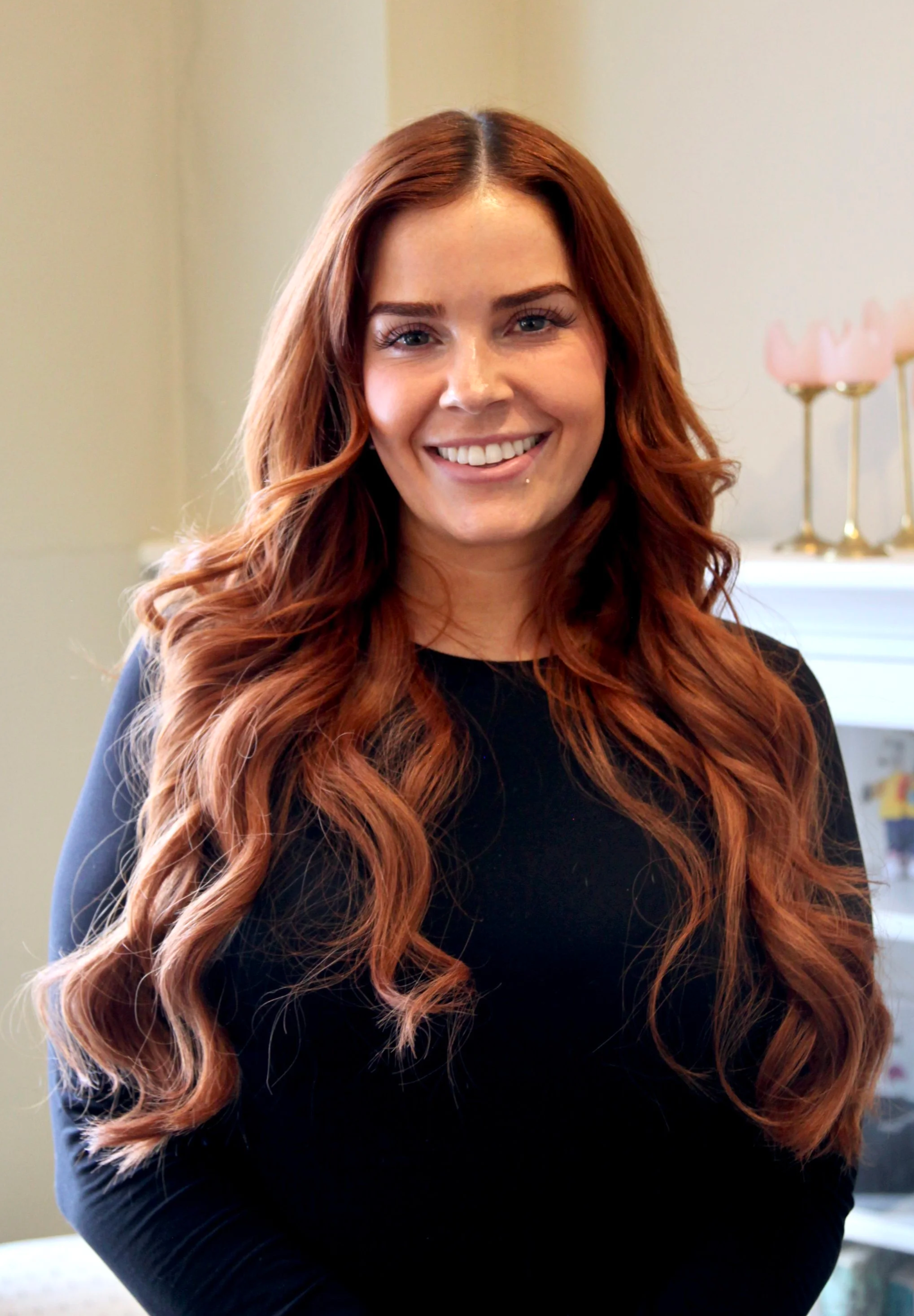
My name is Katherine and I am a Registered Psychologist located in Calgary, Alberta. I have 15 years of community and institutional clinical experience working with children, teens, adults, and families, and I absolutely love what I do. I use an attachment-based, emotion-focused, trauma-informed approach guided by psychodynamic psychotherapy and neurobiology to provide personalized therapy to my clients. I have worked with diverse client populations, across many settings, which has provided me with invaluable experience as it pertains to understanding how individual differences and experience contribute to how we think about ourselves, the world around us, and the relationship between the two.
I am a compassionate, non-judgemental, and directive therapist who shares your goal of resolving the issues that are interfering with your ability to live your life in a manner that you are content with.